

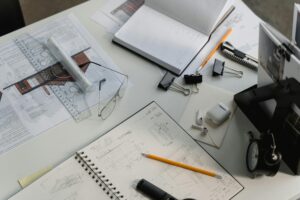
Every successful construction project in New Jersey begins long before the first concrete is poured or the first beam is set in place. It starts with structural drawings, lines that define intent, structure, and safety, and outline the logic that guides construction from vision to completion.
When structural drawings are clear and well-coordinated, projects run smoothly, timelines remain on track, and costly mistakes are avoided. Meanwhile, unclear or incomplete drawings can significantly delay the project, inflate the budget, and compromise safety. That is why project success often depends on the expertise behind the drawings.
What is Structural Drawing?
Structural drawings, also called structural plans, serve as the technical blueprint for any construction or retrofit project. They convert concepts into precise plans that show how a structure will stand, resist loads, and perform safely over time. Every beam, column, and foundation is carefully calculated and documented to guide builders and engineers in creating a sound and compliant structure.
A licensed structural commercial building engineer NJ prepares the structural plans during the design phase, which must be signed and sealed before proceeding with the construction. They are used in various types of projects, such as:
- Multi-story buildings
- Manufacturing and industrial facilities
- Business and commercial establishments
- Residential developments
- Building restorations and upgrades
- Large-scale infrastructure, such as bridges, tunnels, and skyscrapers
Every type of project relies on structural drawings to meet required safety and performance standards.
Structural drawings serve a different purpose than architectural drawings, and treating them as interchangeable can lead to mistakes in planning and construction. Here is how they differ:
- Architectural Drawings:Focus on space planning, finishes, and visual design, including room dimensions, façades, and interior elements.
- Structural Drawings:Focus on load-bearing capacity, reinforcement placement, material specifications, and overall structural safety.
While both types of drawings are essential in construction projects, structural drawings form the backbone of construction. A well-thought-out plan reduces uncertainty, minimizes errors, and aligns architects, contractors, and inspectors around the same technical standard. The clearer those decisions are represented, the fewer questions arise during construction.
How Structural Drawings Guide Safe and Efficient Retrofitting
Every construction project involves risk, either financial, technical, or safety-related. Structural drawings are one of the strongest safeguards against those risks as they document the structural intent and establish accountability. They also serve as a reference point for verification when disputes arise over load capacity, deflection limits, or construction methods.
These functions become even more critical during retrofitting, where existing structures must adapt to new demands.
1. Understanding Existing Structural Behavior
Before introducing new elements, structural engineers must carefully evaluate how the building performs under existing loads, environmental stress, and age-related wear. This typically involves:
- Reviewing as-built drawings
- Conducting material testing to determine strength and durability
- Mapping load paths and identifying stress points
Older buildings often have incomplete or outdated records. In such cases, building engineers create structural drawings based on site surveys and investigative testing. Updated drawings reveal:
- Reinforcement layouts
- Column sizes and locations
- Foundation details
- Areas that require additional support or strengthening
This information verifies that retrofit decisions are based on technical evidence rather than assumptions, reducing the risk of structural imbalance or failure.
2. Integrating New Loads and Functions
Retrofitting introduces new demands on the structure, such as vertical expansions, seismic strengthening, or functional space conversions. Structural drawings show how new elements interact with the existing framework and provide the documentation needed to secure building permits, which are often required before any construction work begins. Key benefits include:
- Confirming whether foundations can support additional floors or loads.
- Identifying where steel or concrete reinforcements are required.
- Verifying that modifications like mezzanines or new openings do not disrupt existing load paths.
- Maintaining uniform load distribution throughout the structure.
Accurate drawings allow engineers to define connection details, specify beam splices, and adjust reinforcement layouts clearly, transforming retrofit complexity into a controlled, measurable process.
3. Coordination Between Old and New Systems
Retrofits demand more coordination compared to new construction projects due to updates in building codes and differences in materials and layouts. Structural drawings help integrate modern interventions with the existing structure and provide guidance for:
- Placing reinforcements and anchoring methods.
- Determining space and routing limits for mechanical, electrical, and plumbing systems.
- Avoiding construction mistakes, such as drilling through critical beams or overloading columns.
Digital tools like Building Information Modeling (BIM) support this process by:
- Visualizing existing and proposed systems in three dimensions.
- Detecting conflicts before construction begins.
- Streamlining collaboration across multiple disciplines for efficient execution.
4. Maintaining Longevity Through Documentation
Structural drawings remain invaluable even after the retrofit is completed, providing a detailed record of all modifications, material changes, and reinforcement work. This is essential during property examinations, since engineers rely on the records to understand how a structure has evolved and how previous modifications impact the current condition.
The documentation also supports precise evaluations and enables proactive strategies that keep the building safe, efficient, and resilient for decades.
Importance of a Structural Engineer
The technical judgment of experienced structural engineers allows them to determine how materials are combined and how loads are transferred. They understand how wind, seismic activity, and environmental conditions impact structural integrity, and the lines they draw reflect not just calculations, but foresight and accountability.
A structural engineer NJ considers site-specific factors, such as soil conditions, climate, and other environmental variables. They also select reinforcement details and materials that suit the conditions of each project, ensuring the structure’s safety and functionality over time.
Beyond technical ability, trusted structural engineers can effectively collaborate with architects and builders to align design vision with structural feasibility and confirm every detail is properly executed on-site. They can help review construction progress, verify reinforcement placement, and confirm that the design is adapted.
Reliable Structures, Expertly Engineered With Lockatong Engineering
Successful projects are never accidental; they are the result of foresight, technical accuracy, and collaboration. Structural drawings are at the heart of this process, helping prevent uncertainty in the worksite and providing details to support long-term strength and safety.
With Lockatong Engineering, these drawings become more than blueprints; they are actionable plans built on precise engineering principles and proven methods that proactively address potential challenges. Every project, whether new construction or retrofit, meets the highest standards while remaining efficient, durable, and structurally sound.
Secure the success of your next project with Lockatong Engineering. Contact us today and discover how our structural expertise can bring clarity, reliability, and excellence to your next build.


