
A Transition Study is performed before a Homeowners Association accepts ownership and responsibility of a new condominium residence from the project’s developer. Through the study, Lockatong Engineering determines if the project, as built, complies with construction documents, offering statements, applicable municipal approvals, and reasonable construction standards.
For newly constructed communities, a transition study serves as an important safeguard for the association and its future residents. While new construction may appear complete on the surface, hidden deficiencies, incomplete work, drainage concerns, construction deviations, or prematurely deteriorating components can create significant financial burdens for an association after control transitions from the developer to the board.
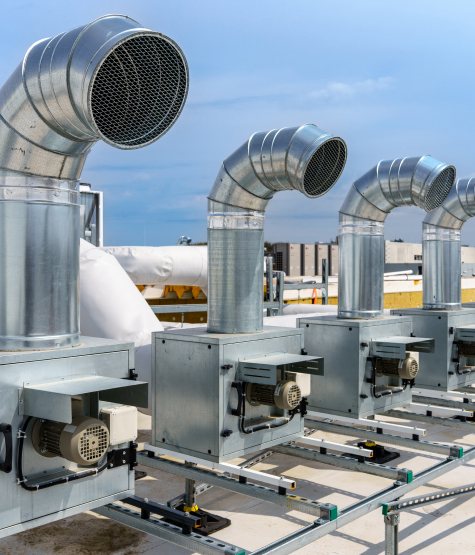
A professionally performed NJ transition study helps identify these issues before the association assumes long-term maintenance and repair responsibility. The study typically includes an evaluation of common elements such as roofing systems, siding, paving, sidewalks, retaining walls, drainage infrastructure, balconies, mechanical systems, lighting, amenities, and other shared property components. Engineering observations are then compared against approved plans, municipal requirements, and industry construction standards.
Transition studies are especially valuable because they provide associations with objective documentation prepared by independent engineering professionals. This documentation can help boards better understand the physical condition of the property and identify deficiencies that may require corrective action by the developer before warranties expire or legal deadlines pass.
For condominium associations and HOAs throughout New Jersey, transition studies also support stronger long-term financial planning. Construction deficiencies that are not identified early can eventually lead to unexpected reserve expenses, accelerated deterioration, or major repair projects that place financial pressure on homeowners. A comprehensive transition study New Jersey associations can rely on helps reduce uncertainty and supports more informed decision-making during the turnover process.
In many cases, a transition study also works hand-in-hand with a reserve study by helping associations establish a clearer understanding of the condition and expected lifespan of common area components from the very beginning of association control. This creates a stronger foundation for future reserve funding and capital planning.
At Lockatong Engineering, each transition study NJ community associations receive is tailored to the specific characteristics of the property and development type. Whether evaluating a condominium complex, townhouse community, mixed-use property, or planned development, our engineers provide practical observations and detailed reporting designed to help associations protect their interests during the critical developer transition period.
Because construction and warranty timelines can be limited, associations are encouraged to begin the transition study process early. Early evaluation provides additional time to identify concerns, coordinate follow-up inspections if necessary, and pursue corrective measures before responsibility fully shifts to the association.